Turning an idea into a game that actually works like, something you can play and feel can be way tougher than it sounds. Especially if you’re an indie developer juggling a small budget, tight deadlines, and maybe not enough technical help in-house. That early stage, the prototyping phase, can feel like a wall sometimes. That’s where outsourcing can really help it lets you test your idea fast, see what sticks, and figure out if it’s even worth pouring more time and money into.
It’s not only solo devs asking this question, either. Studios and publishers evaluating a new IP, a pitch deck, or a greenlight decision run into the exact same problem: they need a playable proof of concept fast, without pulling a full production team off other projects. Whether you’re one person testing a passion project or a studio validating a concept before it goes to a publisher, the underlying job is the same — find a prototyping partner who can turn an idea into something playable, quickly and without surprises.
Why Independent Developers Should Consider Game Prototyping Services
Making a prototype isn’t just about building a demo it’s about catching problems early, before they snowball into something expensive or exhausting. When you outsource that part, you’re basically teaming up with people who’ve already been through it a hundred times. You don’t need to hire a full team or mess with your schedule. Honestly, it’s a relief you can keep your focus on the creative side, like game mechanics or story, while they take care of all the tech-heavy stuff.
Prototyping for Studios and Publishers, Not Just Solo Devs
Larger teams outsource prototyping for different reasons than solo indies do, but the math works out the same. A studio juggling several concepts at once often can’t spare its core team to build a throwaway proof of concept for every pitch — and doesn’t want to. A publisher evaluating an external pitch may ask for a working vertical slice before committing budget. In both cases, bringing in an outside prototyping team keeps the in-house roadmap untouched while still producing something investors, greenlight committees, or internal stakeholders can actually play and react to.
The deliverable looks similar either way — a focused, playable build that tests one or two core mechanics — but the stakes and process around it differ. Studios and publishers typically care more about signed NDAs, predictable turnaround against a pitch deadline, and a vendor who can hand off clean, well-documented project files an internal team can pick up later. That’s the gap the section below is written for.
Cost-Effective Solutions: Outsourcing vs In-House Development
Sure, doing everything yourself might seem cheaper at first. But, in reality, it usually drags on longer than expected, and the costs start creeping up. Outsourcing is just… simpler. You get flexibility: pick what you need, pay for only that, and move on. Whether it’s a quick 2D concept or a more complex 3D setup, external teams can jump in, build fast, and adjust to what you want without the whole process turning into a grind.
Key Features of Affordable Prototyping Services
A reliable prototyping service provides:
- Rapid idea testing.
- Transparent communication and milestone tracking
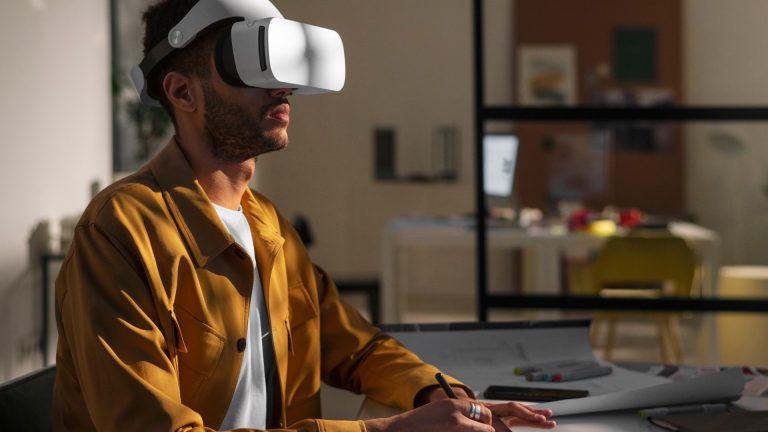
- Cross-platform testing (mobile, PC, VR).
- Experienced designers and developers who understand indie limitations
These features ensure the prototype not only visualizes the idea but also delivers actionable insights for full development.
Choosing the Right Game Prototyping Partner
When selecting a prototyping partner, consider somethings:
- Portfolio: Do they have experience with your type of game?
- Communication: Can they understand your vision and provide constructive feedback?
- Flexibility: Can they scale the project up or down as needed?
- Cost transparency: Do they provide clear estimates with no hidden surprises?
Choosing the right team makes a significant difference in both the prototype’s quality and the efficiency of the overall development process.
How to Choose a Prototyping Partner
If you’re evaluating vendors rather than learning what prototyping is, the questions change. Here’s what actually separates a dependable prototyping partner from a risky one, whether you’re a solo developer, a studio producer, or a publisher doing due diligence before a pitch.
- Turnaround speed: Ask for a realistic timeline for a specific scope, not a generic estimate. A good partner can tell you how long a single-mechanic vertical slice takes versus a multi-system prototype, and will flag scope creep before it happens rather than after the invoice.
- Engine and platform coverage: Confirm they actually ship in the engine you need — Unity, Unreal, or a custom/web stack — and on the target platforms (mobile, PC, VR/XR, browser/WebGL). A team that only knows one engine will either push you toward it or bill you for the learning curve.
- Communication process: Look for daily or near-daily builds, a named point of contact, and a defined feedback loop (Slack, Discord, weekly calls — whatever fits) rather than a black box that resurfaces at the deadline. For teams in different time zones, ask how overlap hours and async updates are handled.
- IP and confidentiality handling: A serious partner signs an NDA without friction, has a standard process for it, and is explicit in the contract about who owns the resulting code, art, and IP — it should be you, in full, on delivery. Ask how they handle internal access control and whether contractors sign the same agreements.
- Cost structure: Fixed-scope quotes are easier to budget against than open-ended hourly billing, especially for a first engagement. Either way, get milestones tied to payments in writing, and ask what happens if the scope changes mid-project.
- Portfolio fit: A long portfolio matters less than a relevant one. Ask to see prototypes, not just finished games, in a genre or platform close to yours, and ask what happened after: did the prototype get greenlit, get funded, or get killed, and why?
None of these questions require a big RFP process. A short call and a written quote should surface honest answers to all six. If a vendor is vague on more than one, treat that as a signal.
Success Stories: Indie Games That Started as Prototypes
A lot of the most loved indie games out there actually started really small, just rough little prototypes. Think of Hollow Knight or Stardew Valley: both of them spent a ton of time testing their core ideas before diving into full production. That early stage helped them figure out what worked, what didn’t, and how to make the gameplay feel just right. Prototyping also gives developers a chance to get feedback early on, or even catch the attention of investors before things get too serious.
Tips for Maximizing ROI When Outsourcing Prototyping
- Set clear goals: Know exactly what you want to test.
- Keep the scope focused: Prioritize core mechanics over full content.
- Maintain open communication with the external team.
- Establish feedback loops: Test early, iterate often.
This approach ensures your prototyping investment yields actionable results and helps prevent costly mistakes during full production.
Conclusion
Affordable prototyping services can be a total game-changer for indie devs — and just as useful for studios and publishers validating a concept before committing a full production budget. Either way, they make it possible to test ideas fast, stay within budget, and move forward with confidence. The key is finding the right team: people who get your vision, ask the right questions about scope and IP, and can focus on what really matters. When that happens, you save time, cut down on costs, and give your game, or your next pitch, a much better shot at turning into something great.
To learn more about game prototyping services, get in touch with ZeroHint.