The Brief
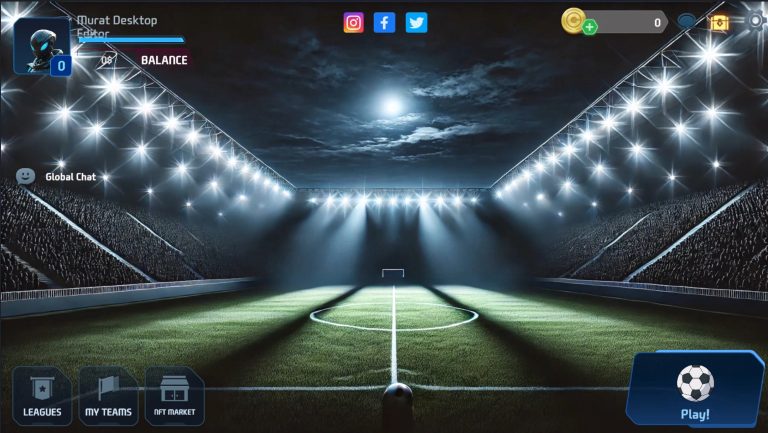
Our client was launching a cryptocurrency and needed a reason for people to hold it; something with a daily loop rather than a whitepaper. The game was the utility layer: play, earn, withdraw, come back tomorrow.
Which meant the game had to be genuinely finished. Not a prototype with a token bolted to it, but a product that passes both app stores, monetizes properly, signs people in, keeps score, pays out, and reports what’s happening because a half-finished app attached to a token launch damages the token, not just the game.

Most of the Work Is Integration
Here’s the thing studios discover on their first commercial mobile title: building the game is the part you can estimate. The integration layer is where the schedule actually goes.
Sweet TT Coin needed all of it at once: ad network, billing on two stores, identity, leaderboards, wallet, analytics, settings, connectivity handling. Each one is straightforward alone. Together they interact, conflict over build size, argue about permissions, and break in ways that only show up on a physical device belonging to someone else.
That layer is a large share of what we do on mobile projects, and it’s the part that separates a demo from something you can put in a store.
Monetization: Ads and IAP Together
The game runs both revenue models, which is more complicated than running either.
Rewarded video is a design problem before it’s a technical one. Where the placement sits determines whether players use it or resent it – offered at the moment someone wants something, it reads as generous; interrupting a session, it reads as a tax. Placement, frequency capping and fallback behaviour when no fill is available all get designed rather than defaulted.
In-app purchases mean receipt validation on both stores, restore flows, price tiers across currencies, and handling the edge cases that generate support tickets: a purchase that completes while the app is backgrounded, a network drop mid-transaction, a refund arriving days later.
Mediation sits underneath the ads, because a single network leaves revenue on the table. Waterfall or in-app bidding, with the fill-rate and eCPM monitoring to know which is actually working.
Identity, Social and the Leaderboard
Google Sign-In gives players an identity that survives a device change, which is non-negotiable when there’s a balance attached to the account.
One detail that catches teams out: if you offer any third-party social login on iOS, Apple requires you to offer Sign in with Apple alongside it. Miss that and you’re rejected at review, usually after you’ve committed to a launch date.
The leaderboard is the social loop. It’s also where an authoritative backend earns its place; a score that determines earnings cannot be submitted by the client and believed. The same discipline runs through our sports management work and our .io titles: the client asks, the server decides.
Online connectivity handling matters more than it sounds. Mobile players lose signal constantly, and a game with a balance has to survive that without duplicating a reward or losing one.
Wallet Connection and Withdrawal
Players earn crypto in-game and can withdraw it, which is the feature that makes the whole thing work and the one with the most constraints around it.
Both app stores have specific policies about cryptocurrency functionality in apps, and they’re enforced at review rather than negotiated afterwards. Architecture decisions here; what happens in-app, what happens outside it, and what the app is allowed to say about it – get made before development starts, not when the first rejection arrives.
On the player-facing side, the wallet integration stays out of the way of anyone who hasn’t come for it. Nobody meets a wallet prompt before they’ve played.
Analytics: Design the Events Before You Implement Them
The most common mistake we see on inherited projects is two hundred analytics events and no answers.
Event taxonomy gets designed first: what decision does this event support, who reads it, and what will you do differently based on it. Then funnels, retention cohorts, monetization events, and the ad and IAP revenue picture in one place.
On iOS that also means handling ATT and SKAdNetwork properly. Attribution you can’t read is a marketing budget spent blind, and for a game whose whole purpose is acquiring token holders, that’s the difference between a campaign you can optimise and one you’re guessing at.
The Compliance Layer Nobody Credits
Each SDK you add brings obligations as well as functionality:
Build size. Every megabyte between the store page and a first session costs installs, measurably. SDKs have to justify their weight.
Privacy declarations. Google Play Data Safety and iOS privacy manifests both require you to declare what every third-party SDK collects. If you don’t know, you can’t ship.
Consent. EU users need a compliant consent flow before ad SDKs initialise, or you’re in breach of the ad networks’ own policies as well as GDPR.
Stability. Ad SDKs are a leading cause of crashes in mobile games. Version pinning, staged rollouts, and crash monitoring per SDK are how you avoid a five-star game becoming a two-star one after a routine update.
And a full settings panel, which sounds trivial and isn’t. Audio, notifications, account, language, privacy controls, delete-my-data. It’s the clearest signal to a reviewer — and a player — that they’re holding a finished product.
We are also able to add many integrations into apps like: ad mediation (AppLovin MAX, LevelPlay, AdMob), analytics (GameAnalytics, Firebase), attribution (Adjust, AppsFlyer).
What We’d Bring to Your Project
- Budget the integration layer honestly. On a commercial mobile title it’s a substantial share of the schedule, and pretending otherwise is how launch dates slip.
- Design ad placements, don’t insert them. Same revenue, very different retention.
- Design your analytics events before you write them, or you’ll have data and no answers.
- Read the store policies before the architecture, especially with payments, crypto or social login involved.
Retention is a design problem before it’s an analytics one – more on the mechanics in our gamification work.
Work With Us
If you have a game that works and now needs the commercial layer: ads, IAP, mediation, identity, leaderboards, analytics, store compliance; this is routine work for us and a well-known source of pain for teams doing it the first time.
We’ll also take the whole thing: full-cycle mobile development from concept to store, or team extension where our engineers do the integration work inside your project.
Tell us what’s built and what’s missing. Scope, team and a fixed quote come back within two business days.

Got a Game That Needs to Ship?
Send a design doc, a build, or three sentences and a reference game. We’ll come back with scope, team and a number.